On April 15, a delegation led by Professor Ron White, Acting Pro Vice-Chancellor of James Cook University in Australia, and Professor Wang Jing, Executive Director of the Australia Future Education Research Institute, visited the Nanchang campus of Jiangxi University of Science and Technology. The two sides held discussions on the development of the Sino-Australian Smart Manufacturing Institute and the key priorities for their educational partnership in 2026.
University Vice Presidents Huang Zhifan and Xiong Zhihua, both members of the university’s Party Standing Committee, attended the meeting and delivered remarks. Pan Chunrong, Deputy Director of the Nanchang Campus Management Committee and Deputy Party Secretary of the campus, chaired the session, which also drew representatives from the undergraduate school, graduate school, international office, and business school.
Huang extended a warm welcome to the visitors and described the Nanchang campus as a vital window for the university in the provincial capital. He highlighted its prime location, landscaped grounds, high-quality facilities, and strong faculty, stressing that the campus offers a full pathway from undergraduate to doctoral programmes. The university, he said, would throw its full support behind the joint institute by providing the best possible hardware, teaching staff, and administrative services.
Xiong reviewed the progress the two sides had made and expressed hope that they would continue deepening cooperation on campus facilities, staffing, management mechanisms, curriculum alignment, teacher training, and student recruitment, so as to prepare thoroughly for a smooth launch and stable operation of the institute.
Ron White thanked the university for its hospitality, praised the teams’ productive early-stage work, and voiced great confidence in the partnership. Speaking highly of the university’s academic standing and campus development, he said the two institutions could collaborate extensively in talent cultivation and scientific research. James Cook University, he added, would push forward joint curriculum design, credit recognition, and academic exchanges, and would deepen interdisciplinary research cooperation and joint talent training to help build a high-quality Sino-Australian Smart Manufacturing Institute.
Wang Jing offered concrete suggestions on physical infrastructure, staffing, student recruitment activities, and financial management, and affirmed that the Australia Future Education Research Institute would continue to serve as a bridge, fully supporting the institute’s establishment and operation.
The two sides also held detailed discussions on undergraduate admission for 2026, teacher training, and preparations for the opening semester. The talks sharpened the focus of the cooperative venture and laid a solid foundation for its high-quality operation.
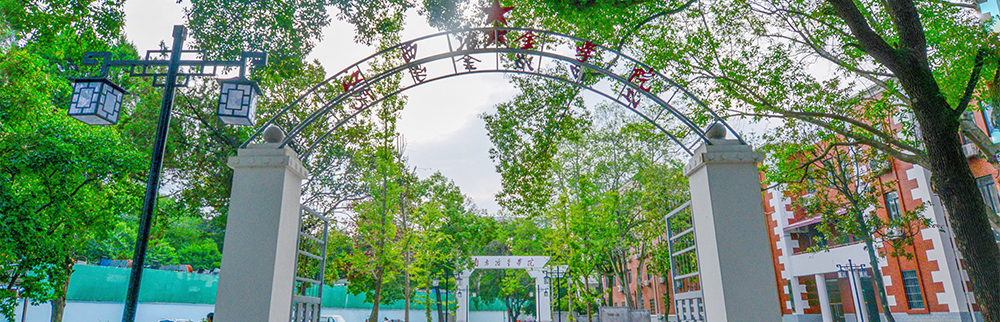
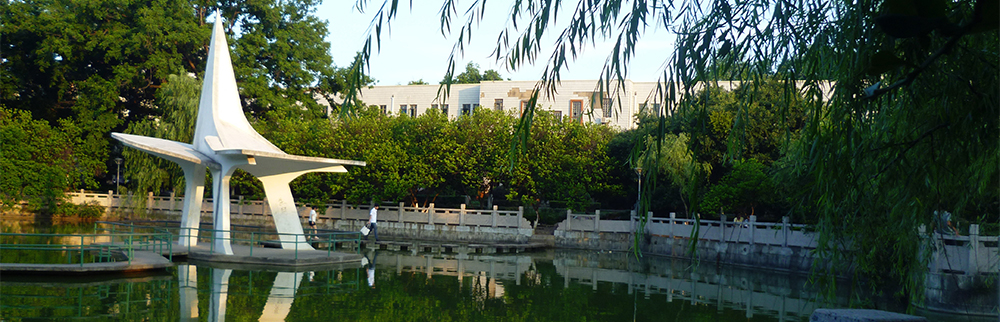
Before the meeting, the delegation toured the campus’s teaching buildings, the Business School offices, and student dormitories to see first-hand the facilities and conditions that will underpin the joint programmes.